Dryland Ecology
and Global Change Lab
العلم يرفع بيتاً لا عماد له، والجهل يهدم بيت العز والشرف "Knowledge builds a house without pillars; ignorance demolishes the house of honor and dignity"
LEARN MORE ABOUT US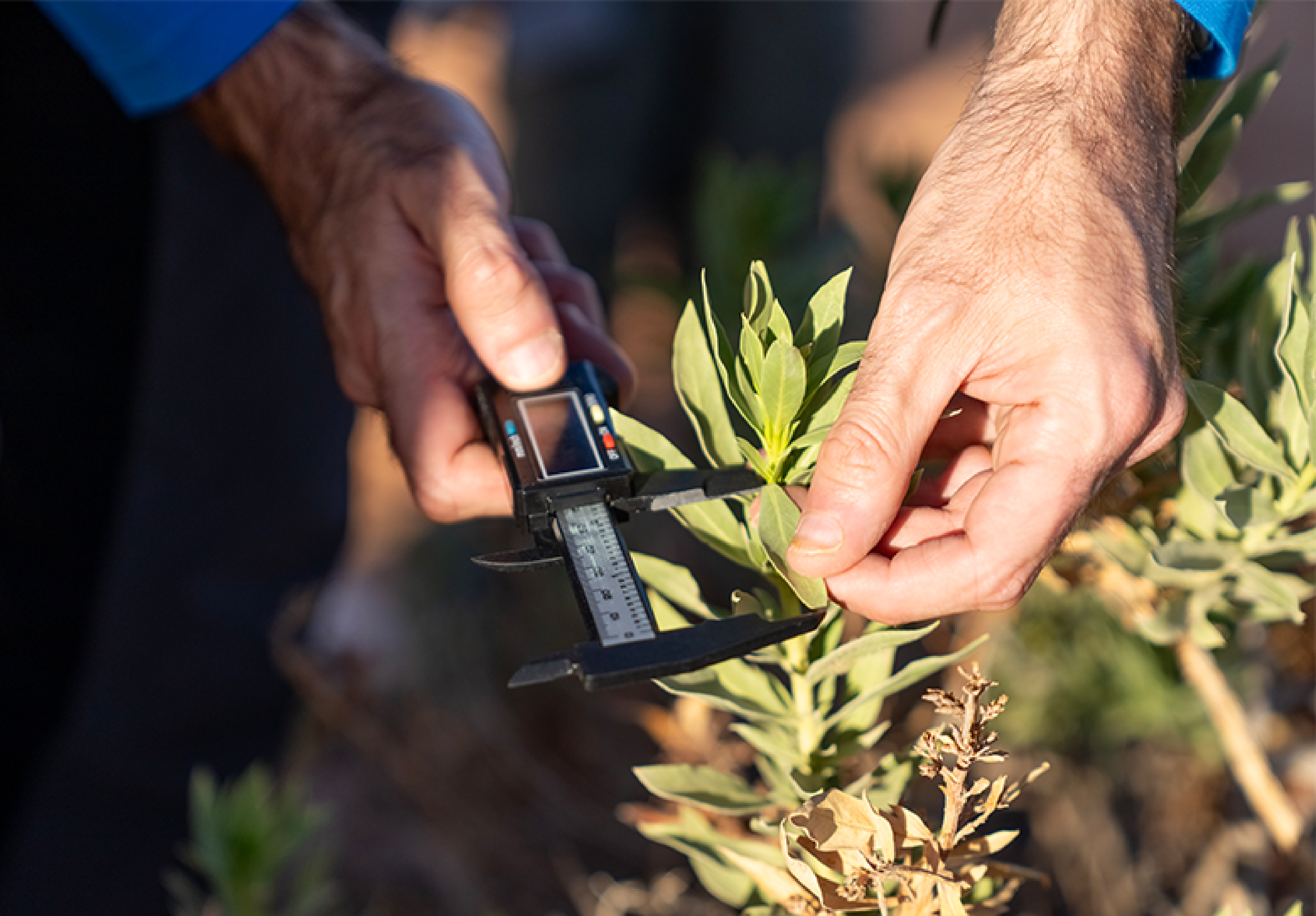
Presentation
Led by Fernando T. Maestre
Professor of Environmental Science and Engineering.
At the Dryland Ecology and Global Change Lab at KAUST, we work to understand the ecology of dryland ecosystems and how human activities are reshaping them. Our research bridges multiple disciplines, including ecology, microbiology, engineering, artificial intelligence, remote sensing, and soil science, to uncover the processes that sustain life in some of the planet’s most water-limited environments.
From hyper-arid and arid deserts of the Arabia Peninsula—our current geographic focus—to drylands across every continent, our work aims to generate the knowledge needed to confront some of the most pressing environmental challenges
of our time. Through collaborations with colleagues in more than 30 countries, we investigate how climate change, land degradation, and desertification affect dryland biodiversity and ecosystem functioning and services worldwide.
Our mission is to deliver science-based solutions that help mitigate climate change, restore degraded ecosystems, and enhance the resilience of drylands globally. The lab is deeply committed to training the next generation
of Saudi ecologists and environmental scientists, and to contributing to capacity building in Saudi Arabia and beyond. By advancing fundamental understanding and translating it into practical tools, we strive to support sustainable
land stewardship and the long-term well-being of the communities that depend on drylands.
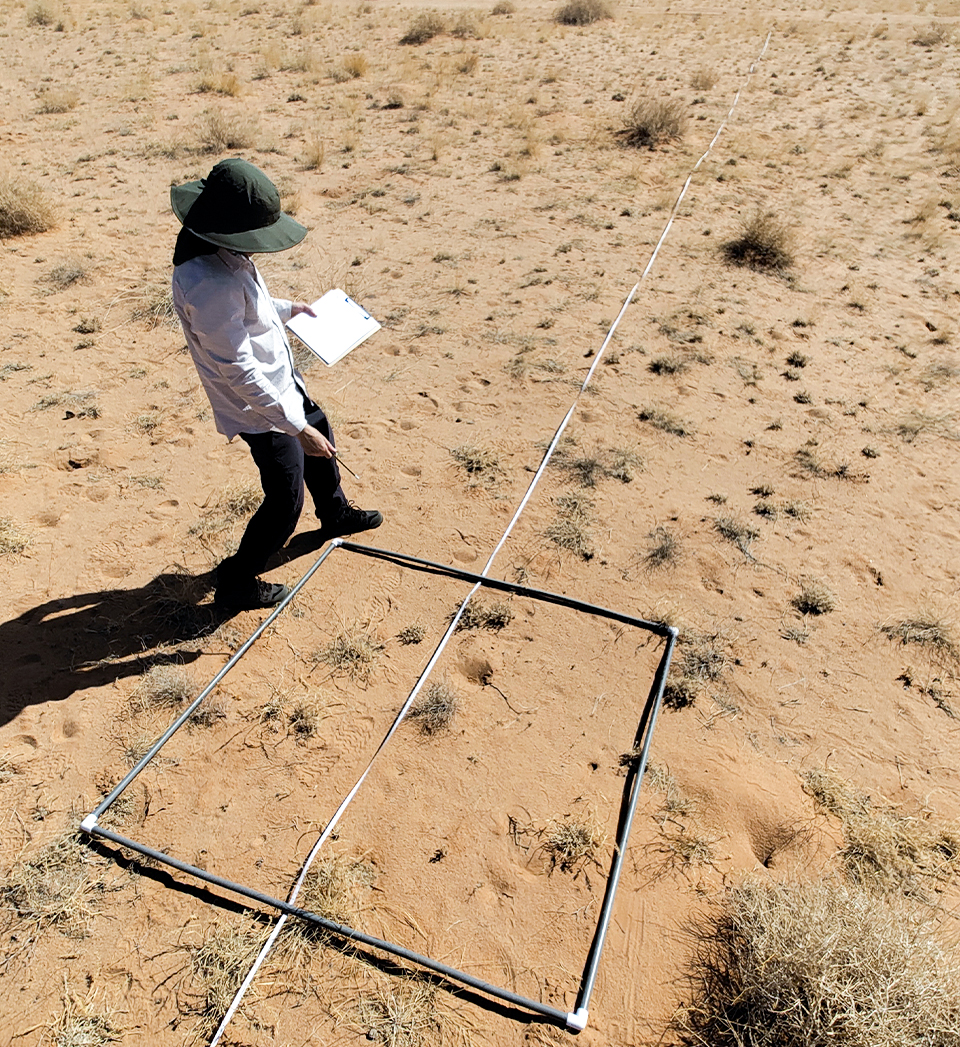

Global change impacts on dryland ecosystems.
We examine how warming, shifting rainfall, and land-use intensification alter the biodiversity, structure, and functioning of dryland ecosystems worldwide.
Artificial intelligence and remote sensing for natural resource management.
We apply AI, machine learning, and multi-scale remote sensing to map, monitor, and predict changes in dryland environments for evidence-based decision-making.

Sustainable grazing management in arid and hyper-arid ecosystems.
We assess how grazing practices shape soils, vegetation, and microbial communities to inform sustainable rangeland management strategies.

Biocrusts for soil health and ecosystem restoration.
We develop biocrust-based technologies and cultivation methods to restore degraded soils and enhance ecosystem recovery in drylands.

Nature-based solutions for climate change mitigation and land restoration.
We design and evaluate scalable ecological interventions—such as soil and vegetation restoration— to enhance carbon sequestration and reduce land degradation.