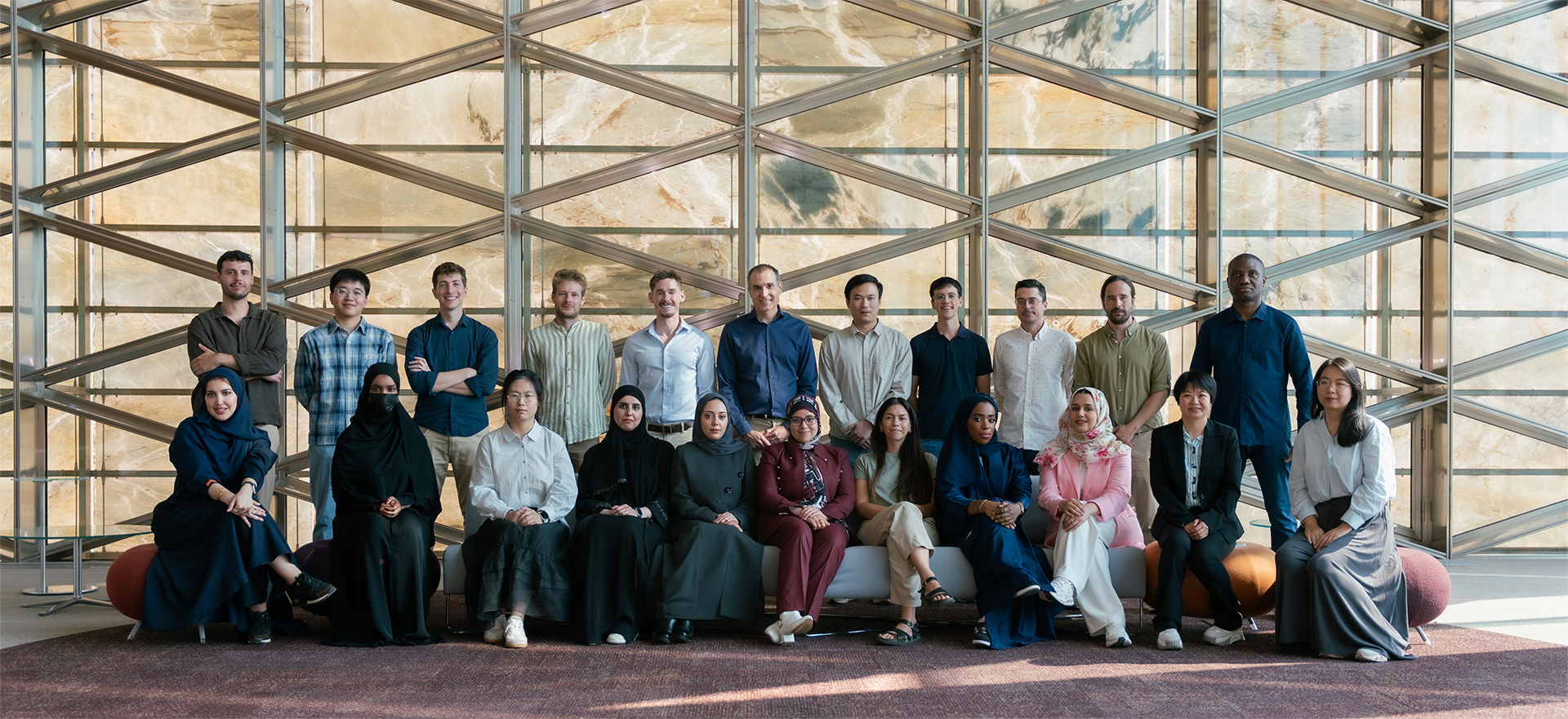
Let’s get to know our team members
↓
Principal Investigator
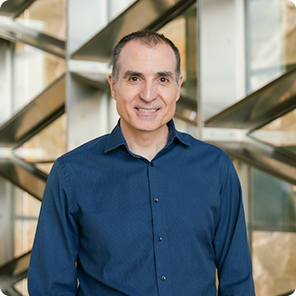
Fernando T. Maestre
Professor of Environmental Science and Engineering
My work aims to understand how drylands function—how plants, soils, biodiversity, and microscopic life interact in environments with limited water availability—and how pressures such as climate change, land degradation, and land-use change affect their ability to remain healthy and productive. By revealing these processes, my research helps address major environmental challenges, including dryland sustainability, land degradation, and desertification.
Research specialist
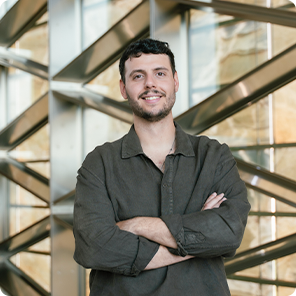
Antonio Jesús García-Moreno
Research Specialist
My research experience is in soil and plant research, combining fieldwork and laboratory work. I have developed skills in sample handling (from preparation to storage), assessing key indicators of soil quality and fertility, and studying microbial activity related to nutrient cycling. In addition, I am familiar with using laboratory instrumentation and methods to obtain reliable and reproducible results.



Postdoctoral researchers
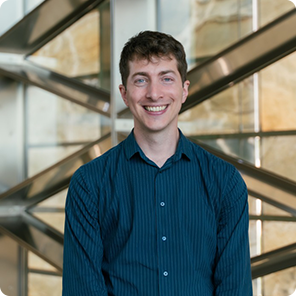
Lucio Biancari
Postdoctoral researcher
My research focuses on understanding how climate and grazing interact to shape vegetation structure and ecosystem functioning, with implications for conservation and land-use management in arid regions. I look to integrate field ecology and global data to uncover ecological mechanisms across scales and to improve predictions of how drylands will respond to climate change and human use.
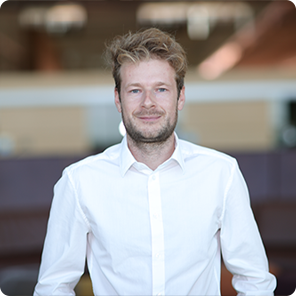
Mario Corrochano-Monsalve
Postdoctoral researcher
My work aims to understand how soils regulate nutrient cycling and greenhouse-gas emissions in both agricultural lands and natural ecosystems, with a particular focus on how soil microorganisms control key processes in the nitrogen cycle
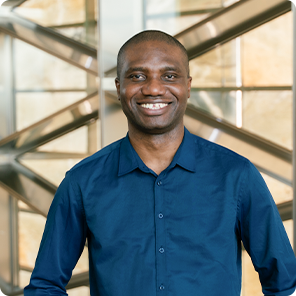
Chukwuebuka Christopher Okolo
Postdoctoral researcher
My work aims to understand soil biogeochemical processes that control the balance between soil organic carbon storage and greenhouse-gas emissions, with the goal of informing climate-smart soil and agricultural management. I also study soil conservation and sustainable land-use practices that enhance nutrient retention in degraded soils, as well as soil structure and aggregate stability and their role in stabilizing carbon across different terrestrial agroecosystems
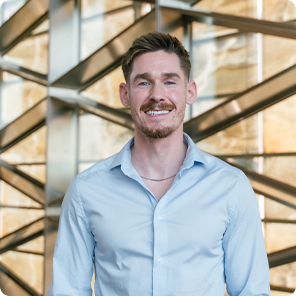
Corey Nelson
Postdoctoral researcher
My work focuses on ecological restoration and regenerative agriculture, focusing on how soil microbial communities shape recovery in degraded ecosystems and productivity in working lands. I design and test practical restoration interventions and use field observations, wet-lab assays, and quantitative analyses to track what actually changes on the ground. My goal is to turn soil microbial ecology into management practices that rebuild soil function, support biodiversity, and strengthen resilience in dryland ecosystems.
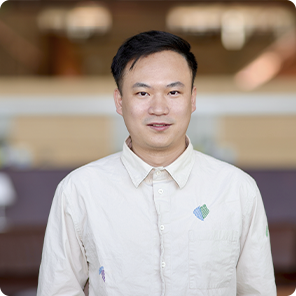
Jiayuan Liao
Postdoctoral researcher
My work focuses on how vegetation adjusts its resource-use strategies in response to altered water and soil nutrient (e.g., nitrogen and phosphorus) availability under global environmental change, including increasing aridity, warming, and urbanization, and how vegetation feeds back to local and global climate. To do so, I integrate regional and global datasets from field observations, remote sensing, and flux and weather towers, covering soil biogeochemistry, microbiota (bacteria and mycorrhizae), plant functional traits, and atmospheric conditions.
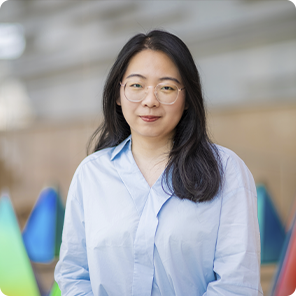
Qi Liu
Postdoctoral researcher
My research focuses on solving a pressing puzzle: how can we restore healthy ecosystems in the world’s hyper-arid regions under climate change? My work bridges observations from space, AI-driven insights, and on-the-ground fieldwork to map fragile desert vegetation and decode the environmental drivers of its survival. Ultimately, I aim to translate these insights into actionable blueprints for sustainable nature-based solutions in arid lands.
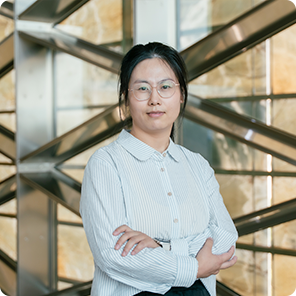
Fangli Wei
Postdoctoral researcher
My work mainly focuses on how climate change and grazing shape dryland ecosystems—crucial landscapes at the intersection of biodiversity, human livelihoods, and vulnerability to climate change. By improving our understanding of these interactions, my research helps inform sustainable land management and conservation strategies in dryland regions
Students
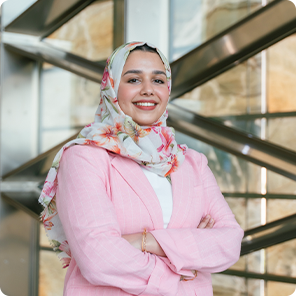
Zubaydah Alahmadi
PhD Student
My research focuses on soil biological crusts (biocrusts) and dryland microbial communities, aiming to understand how microbial interactions and functional networks regulate soil stability, nutrient cycling, and ecosystem resilience under environmental stress. By integrating field experiments, I examine how biocrust-associated microbial communities change across arid landscapes and translate scientific insights into practical solutions that support biodiversity and ecosystem recovery.
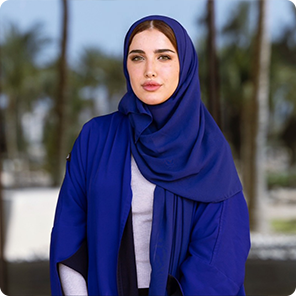
Norah Alghamdi
PhD Student
My research focuses on nitrogen dynamics in dryland ecosystems under global change, drawing on extensive experience in arid environments. My work on nitrogen began during my master’s degree, which focused on biological nitrogen fixation in drylands, and has continued into my PhD research investigating soil processes, including nitrogen cycling and microbial activity, with the goal of reducing nitrogen losses and mitigating greenhouse gas emissions in arid lands. I have hands-on experience conducting greenhouse and field experiments, analyzing environmental data, and my broader aim is to develop sustainable solutions to improve agriculture in arid regions such as Saudi Arabia.
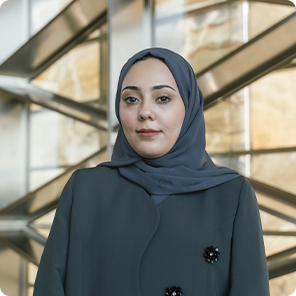
Khulud Alghannam
PhD Student
My research focuses on plant–soil–microbe interactions and biodiversity in arid ecosystems. I am an Environmental Science & Engineering Ph.D. student at KAUST, and my work applies genomics and eDNA-based approaches to better understand dryland ecosystems and uncover hidden biodiversity and ecological interactions across global drylands, supporting innovative strategies for land restoration and sustainability. My background includes research on soil amendments and root-associated microbial communities in native Acacia species, supported by strong training in microbiology and molecular techniques
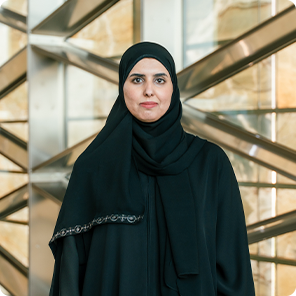
Amaal Alharbi
PhD Student
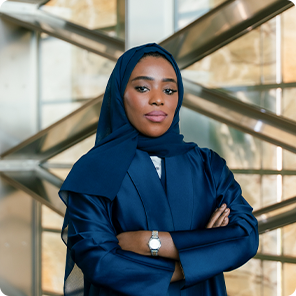
Zahra Alhawsa
PhD Student
I am interested in understanding the complex ecological mechanisms and functional traits that enable vegetation to persist within extreme arid and semi-arid environments. My research uses large-scale remote sensing techniques, multi-sensor data, spatial analysis, and laboratory-based analyses to monitor vegetation functioning, biodiversity patterns, and ecosystem health across the diverse landscapes of Saudi Arabia. By integrating cross-scale observations, my work focuses on understanding how environmental drivers and human activities influence plant survival, productivity, resistance, and resilience under changing environmental conditions. My aim is to support effective restoration strategies and scalable nature-based solutions that mitigate climate change impacts and enhance the resilience of dryland ecosystems.
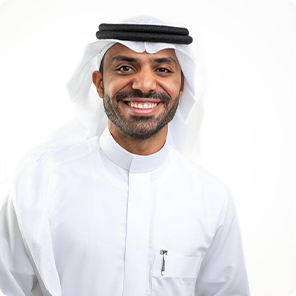
Baqer Al Mousa
PhD Student
I am an Environmental Engineer with a chemical background. I have experience in conducting Environmental Impact Assessments (EIAs) in which I study the various impacts that projects could have on the different environmental components (Soil, water, air, biota), and I have taken part in the preparation of several EIAs for mega projects within Saudi Arabia. I am interested in studying the impact of chemical pollution on terrestrial ecology, how native arid species could cope with pollution and manage to reduce it. Socially, I focus on raising people's awareness about the importance of the environment and their role in protecting it through initiation of field campaigns and production of documentaries.
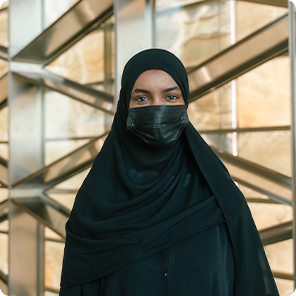
Sara Abdallah
Master Student
My research interests focus on microbial ecology and microbial interactions. Specifically, I aim to explore the mutualistic relationships among microorganisms and their adaptability to changing environmental conditions. In addition, I have an interest in blue carbon. I aim to understand the role of microbes in these ecosystems to develop effective conservation and restoration strategies that leverage the ecological benefits of these critical ecosystems in the face of climate change.
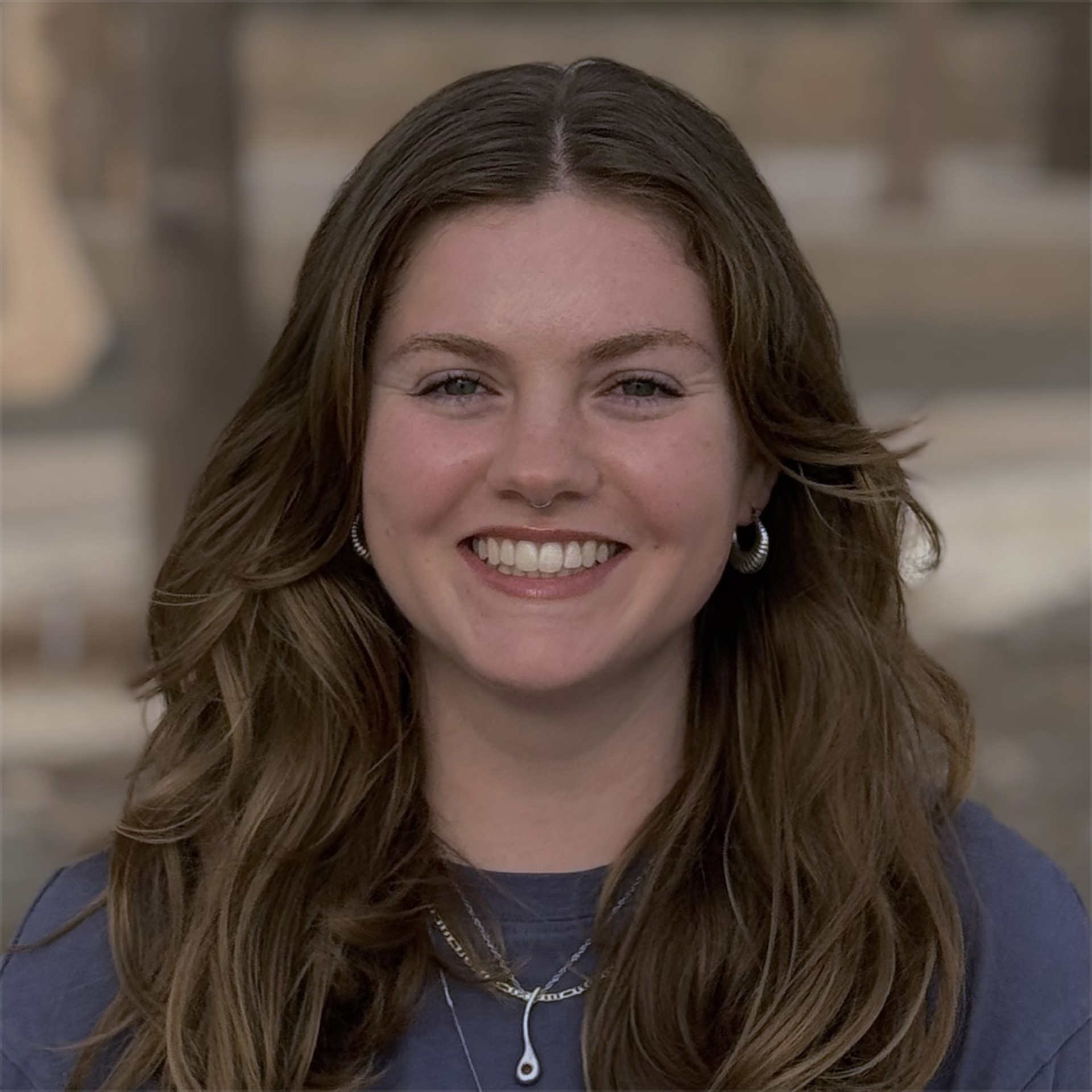
Leah Bakken
Master Student
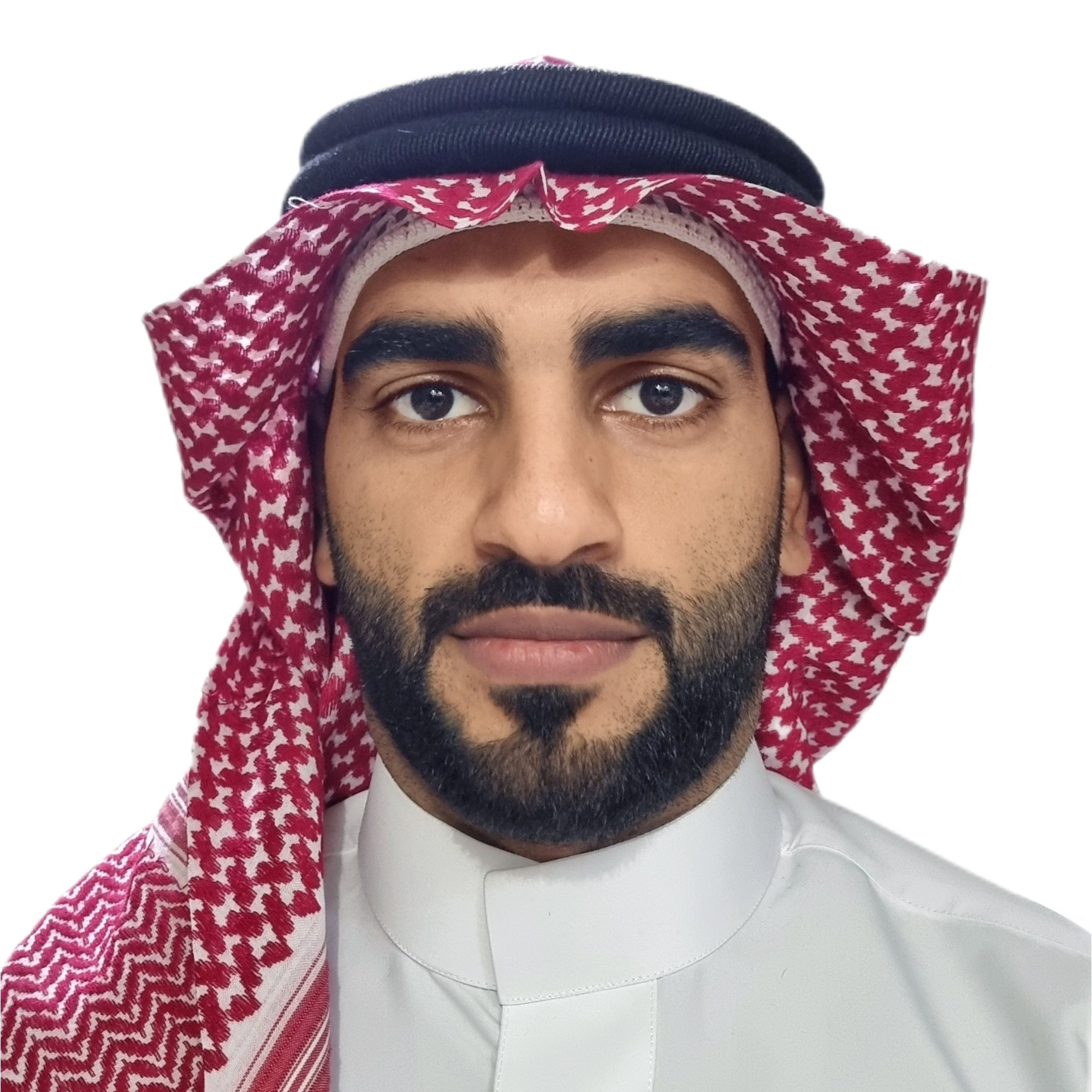
Ahmed Alhomran
Master Student
My research focuses on evaluating vegetation dynamics in protected and non-protected areas within Saudi Arabia using remote sensing, with the aim of understanding how conservation status influences vegetation condition. I seek to integrate satellite-derived vegetation indicators with spatial and environmental data to assess differences in vegetation health, distribution, and temporal change, providing useful insights to support effective conservation planning and sustainable land management in arid regions.
Research assistants

Shimaa Hassan
Research assistant
I have over ten years of academic and research experience in microbiology, fungal physiology, plant–microbe interactions, and microbial biotechnology. I hold a Ph.D. in Microbiology and have extensive expertise in microbial isolation and characterization, enzymatic assays, molecular biology techniques, and experimental troubleshooting. In my current role, I support laboratory management and daily operations, ensure compliance with laboratory safety standards, and actively contribute to ongoing research projects through experimental execution, method optimization, data analysis, and technical support.
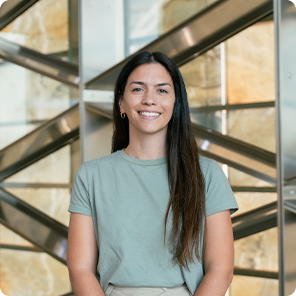
Micaela Calvani Arias
Research assistant
My research interests focus on urban green infrastructure as a key driver for improving biodiversity and ecological connectivity in cities. How can cities support native flora and fauna while addressing the specific ecological challenges of arid urban environments, where water scarcity and heat stress are critical concerns? How can urban shape and spatial planning be designed to increase a city's capacity to accommodate and connect green infrastructure?
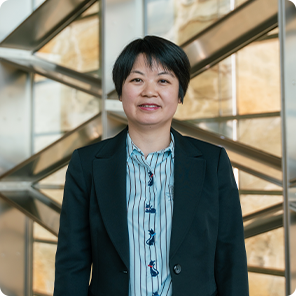
Yanjie Zhu
Research assistant
I collaborate with team members on research projects, working closely with lab colleagues to ensure efficient communication and effective task management. I also coordinate with multiple departments, including LEM, FM, and EMPM, to support the installation and maintenance of instruments, and provide ongoing logistical support to the Principal Investigator and group members.
Visiting students and scientists
2025
David J. Eldridge
Ji Chen
José Luis Molina Pardo
Kaarina N. Shilula
Víctor Maull Miquel
Víctor Valenzuela Polo
Past members
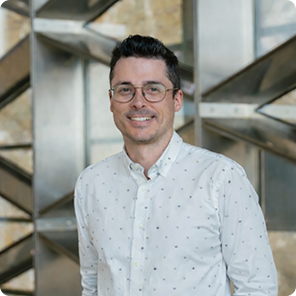
Emilio Guirado
Research Scientist
Javier Blanco Sacristán
Research Scientist
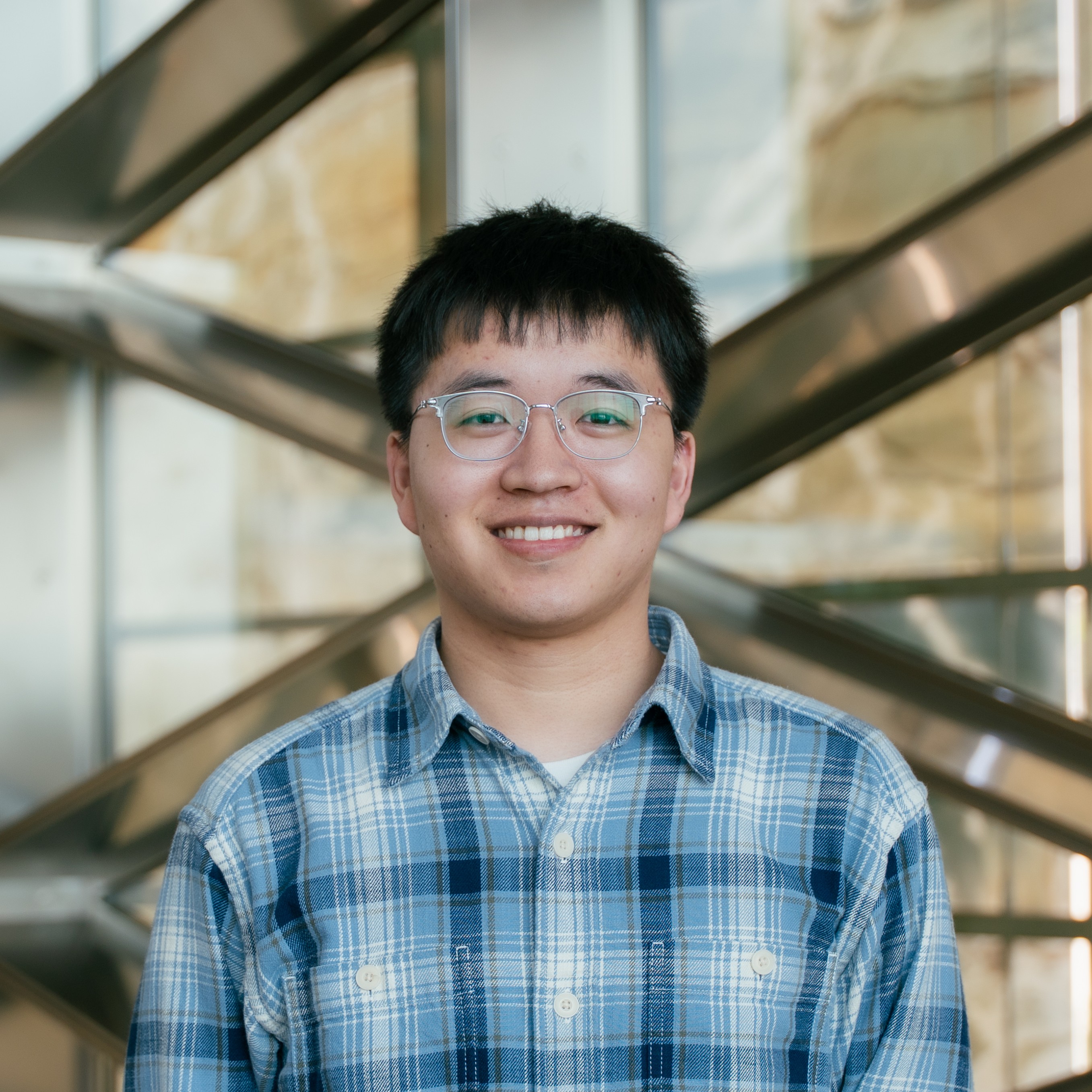
Fengyu Fu
Visiting PhD student